Published on
March 26, 2026


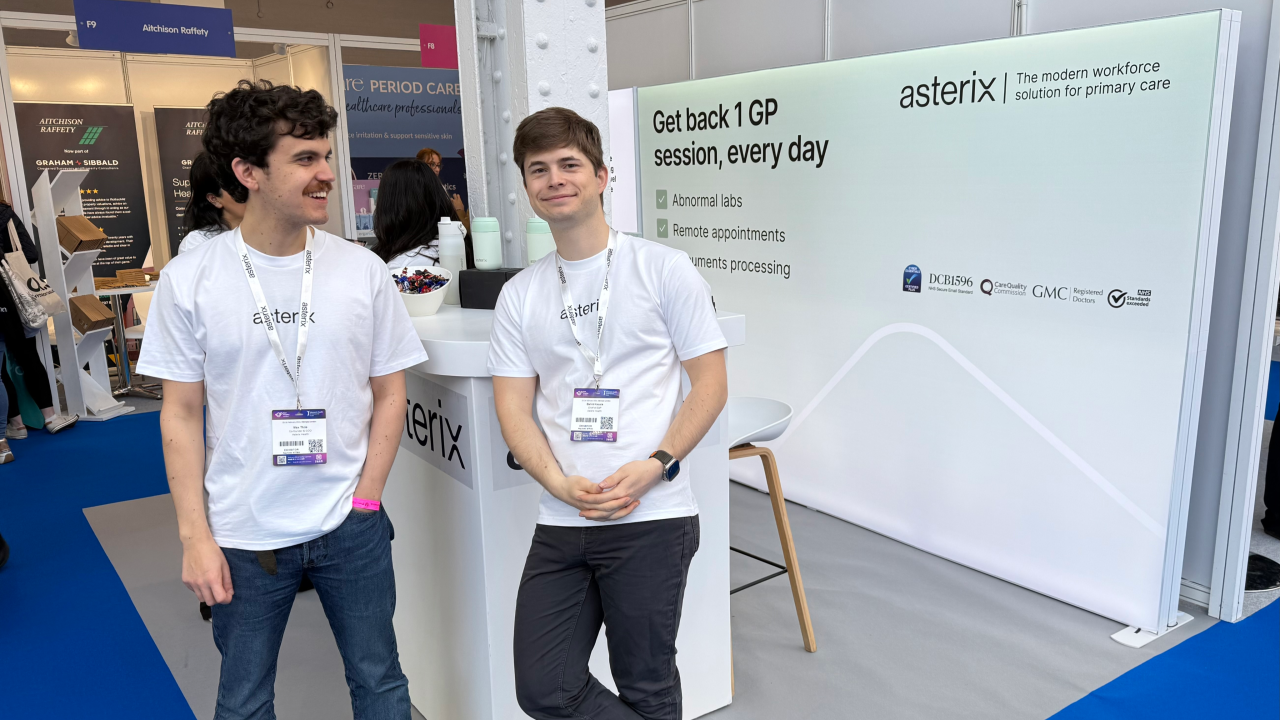
We came back from Best Practice this month, energised and with a lot of notes.
One very clear theme surfaced when speaking with GP partners, practice managers, and primary care leaders: they’re exhausted.
Not just from the usual pressures of a system under strain, but from the noise.
There's genuine excitement about AI and automation in primary care. But alongside that excitement, another ask is emerging. Practices aren't just looking for clever tools; really, they're looking for outcomes. Time to get back. Work actually done. Not capability on offer, but capacity delivered.
A practice manager we spoke to put it plainly: "I don't have time to implement a new platform. I have time to hand something over and want it handled."
Another GP didn't hesitate: they were spending 3 hours per day on clinical admin, even though the practice used the latest technology. The pile of tasks never went away - not because the tools weren’t impressive, but because the hard, messy parts kept landing back with the clinical team.
That stuck with us. Because it gets at something important about where primary care actually is right now.
Practices aren't struggling because they lack access to clever software. They're struggling because there’s a growing list of clinical tasks that need doing, the team is already at capacity, and new software doesn’t own complex items end-to-end.
The ask isn't for a tool that helps sometimes, if and when someone has the bandwidth to configure it, train on it, and embed it. The ask is for work to get done - reliably, accurately, and without growing the tasks inbox. It's the peace of mind that matters too.
There's a meaningful difference between capability and capacity. Many solutions might offer the former; what practices need is the latter.
Practices are already using new solutions and finding where the gaps are. Particular workflows like filing labs only take a few hours a week, but mean GPs stay late most evenings. The desire we heard, again and again, was for someone to own work end-to-end. Not to automate part of it. To own it, start to finish, so that time is genuinely returned.
And that time matters, in a very practical way: hours recovered from administrative or clinical tasks that have drifted out of scope are hours that can go into better care for complex patients, improving access, and income-generating activities that create room for growth.
That's not a technology problem - it's a capacity problem, and it needs a human solution.
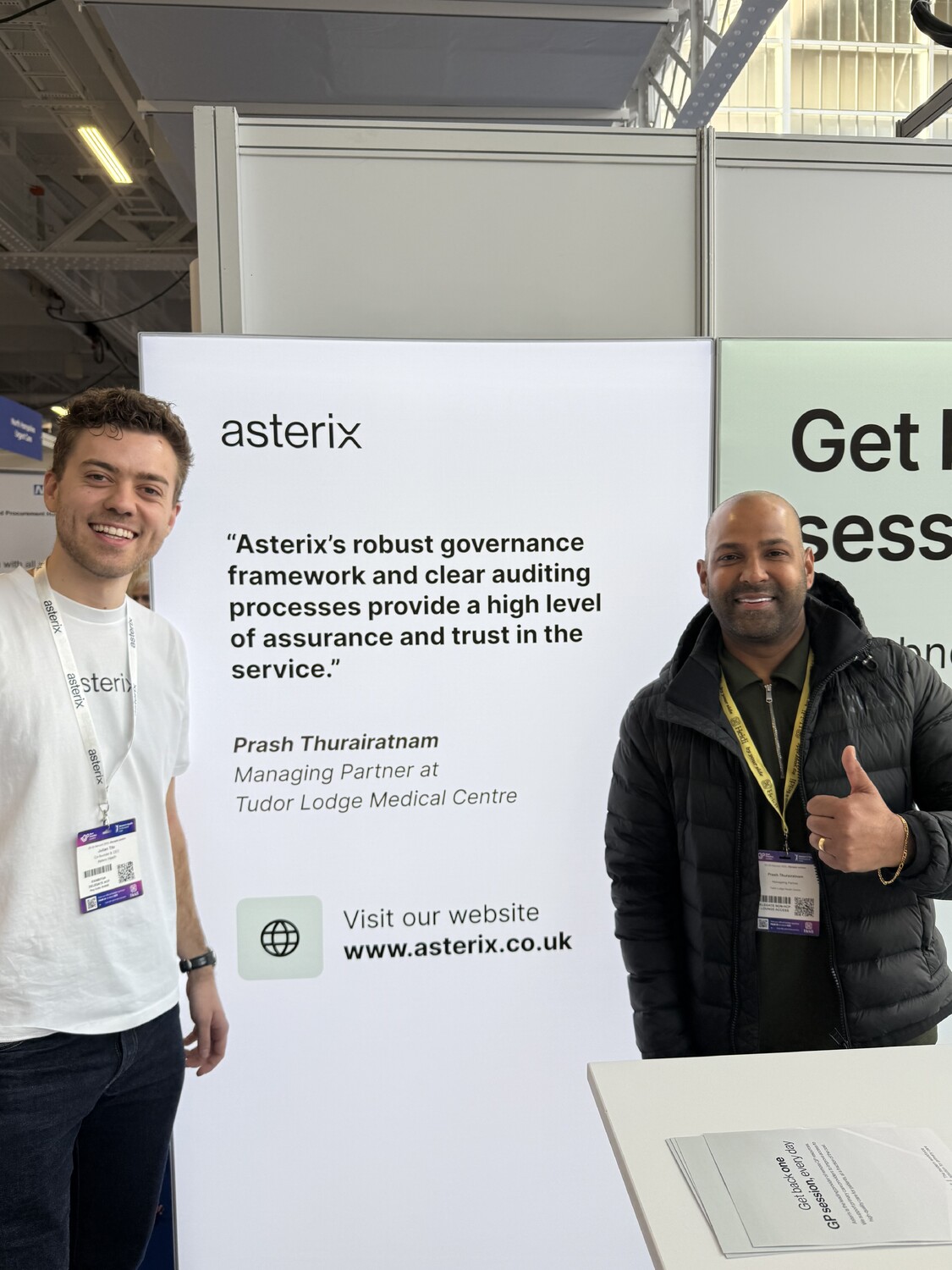
We left Best Practice more convinced than ever that the most valuable thing for a stretched GP practice right now isn't another platform, dashboard or integration. It's a highly-qualified, GMC-registered doctor, who understands local guidance, knows the team, and owns clinical work end-to-end.
The question worth asking - for anyone working in or alongside primary care - is not what can we automate? It's what can we genuinely take off the plate?
Those are very different questions. And right now, the second one is the one that matters.
Asterix Health works with GP practices to take on clinical and administrative work end to end with highly-qualified, GMC-registered doctors, doing real work, so your team's time goes where it's needed most. If any of this resonated, we'd welcome a conversation. Reach out to us here.